


Marine Energy Storage: Heavy-Duty LiFePO4 Systems Explained
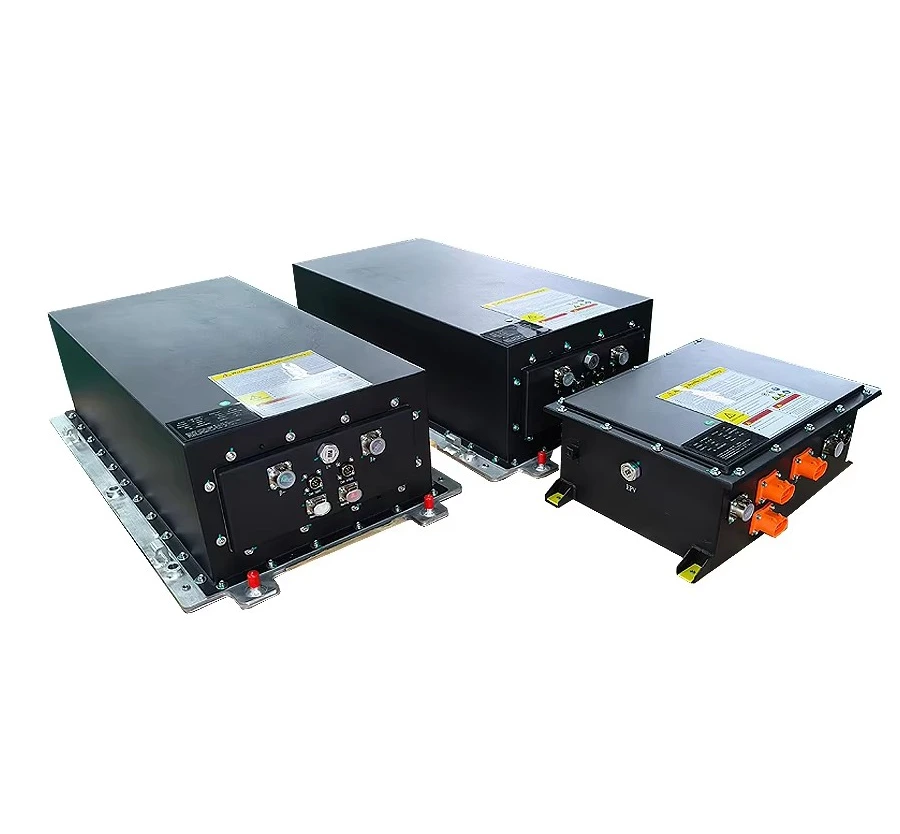
Whether you are designing a hybrid propulsion system for a luxury yacht or retrofitting a commercial passenger ferry, the harsh marine environment—characterized by relentless vibration, salt mist, and unpredictable temperatures—demands uncompromising reliability. As detailed in our Ultimate Guide to Industrial Motive Power Batteries, maritime operations require solutions that eliminate potential points of failure.
To meet these rigorous demands, Chalong Fly's heavy-duty marine lithium batteries (such as our high-voltage 51.2V / 280Ah modular series) are fully compatible with leading marine inverter systems, ensuring seamless integration for yacht power systems, ferry energy storage, and offshore vessels.
1. Traditional Marine AGM vs. Heavy-Duty LiFePO4 ESS
Before designing a maritime power grid, shipbuilders must evaluate the undeniable shift toward marine-grade lithium chemistry. Here is the direct engineering breakdown:
Standard Marine AGM
Chalong Fly Heavy-Duty LiFePO4
⚓ Maritime Safety & Class Certifications
Fire safety is the absolute priority at sea. Unlike volatile NMC lithium chemistries, LiFePO4 generates very little heat and does not release oxygen during thermal events. Chalong Fly's armored marine enclosures are engineered to meet the strictest maritime classification society standards, including DNV-GL, ABS, IEC 62619, and UL 1973 for maritime energy storage systems.
2. The Engineering: The Power of Thermal Mass
Why do Chalong Fly marine batteries use heavy-duty metal enclosures instead of lightweight plastics? The answer lies in thermodynamics and impact resistance. In a hot engine room, a marine battery must safely dissipate the internal heat generated during charging and discharging.
Thermodynamics of Passive Cooling: Heat Capacity Calculation Formula
Instead of relying on fragile cooling fans or complex liquid pumps that introduce leak risks, the heavy-gauge aluminum/steel casing absorbs and disperses heat efficiently. This "keep it simple, make it rugged" engineering philosophy ensures that the Battery Management System (BMS) operates flawlessly, shielded by IP67-rated waterproofing against salt mist.
3. Marine Lithium Upgrade Cost & Commercial Vessel ROI
When naval architects evaluate the marine lithium battery cost, they look at the entire vessel's ecosystem. The required kilowatt-hours (kWh) and system voltage (e.g., 51.2V, 96V, 400V) drive the engineering design, but the long-term operational savings justify the investment.
5-Year Marine Fleet Financial Projection (50kWh Hotel Load Scenario)
Diesel + AGM Setup
- Estimated system investment $6,500*
- AGM Replacement (Yr 3) $7,000*
- Estimated overnight diesel fuel $45,000*
- Generator Maintenance $8,500*
- Typical 5-year operating cost $67,000*
Chalong Fly Heavy-Duty ESS
- Estimated system investment $24,000*
- Replacement (Yr 3) $0
- Diesel Fuel (Day charge) $9,000*
- System Maintenance $0
- Typical 5-year operating cost $33,000* (Save 50%+)
By eliminating the need to run noisy, polluting diesel generators overnight just to power air conditioning and appliances, vessel operators typically recover their lithium ESS investment within 2 to 3 years through fuel and maintenance savings alone. For commercial ferries and luxury yachts, upgrading to a solid-state, passive-cooled marine lithium battery system is a commercial necessity.
Ready to Electrify Your Vessel's Power Grid?
As a maritime energy solution provider, Chalong Fly systems feature advanced BMS telemetrics, IP67 marine-grade sealing, and seamless integration with leading marine inverters.