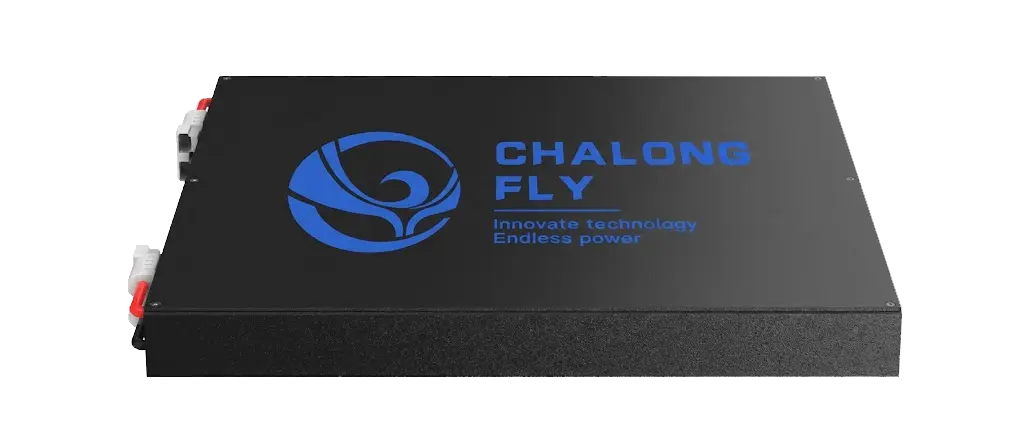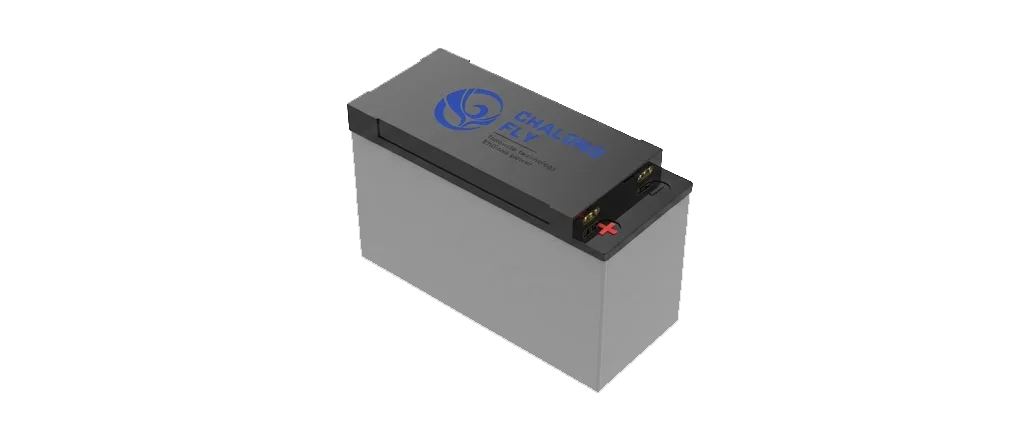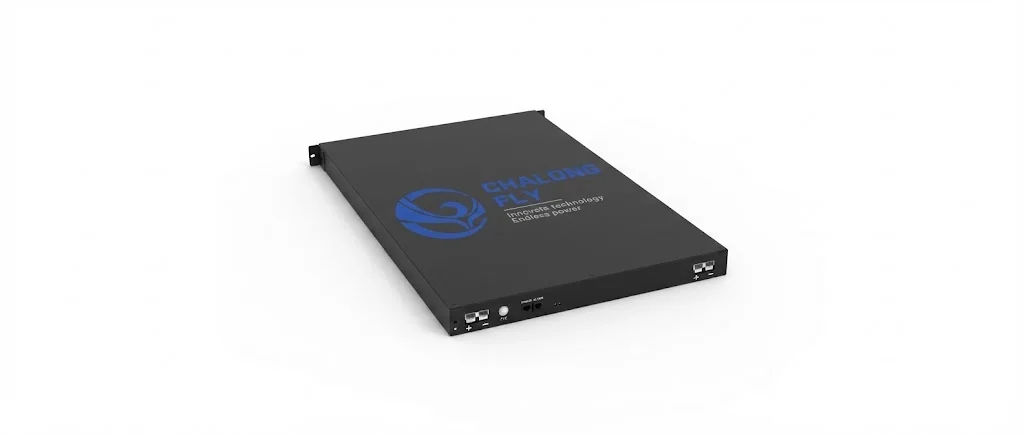
Data Center & Industrial Backup Power

Lithium UPS Battery Manufacturer for Critical Backup Systems

Chalong Fly supplies LiFePO4 UPS battery solutions for data centers, telecom rooms, network cabinets, and industrial backup applications where stable runtime, lower maintenance, and longer service life matter.

LiFePO4 Chemistry OEM / ODM Support CAN / RS485 Available
Typical Project Focus
  • UPS Replacement For projects moving from lead-acid to lithium battery systems.
  • Data Center Backup Matched for racks, cabinets, and critical standby applications.
  • Custom Project Supply Configured according to voltage, runtime, and installation conditions.
Lithium UPS Battery Manufacturing

Factory-Based Lithium UPS Battery Supply for Backup Power Projects

Chalong Fly manufactures LiFePO4 battery solutions for UPS backup applications where buyers need more than a standard battery model. In many projects, battery selection depends on voltage platform, runtime target, cabinet fit, communication requirements, and delivery consistency.

This page is built for importers, distributors, system integrators, and project buyers looking for a lithium UPS battery manufacturer that can support both product supply and project-level matching.

Not just battery supply, but project fit.

In real UPS replacement and integration work, the right solution is usually determined by application conditions first, then matched to the battery configuration.

01

LiFePO4 UPS Batteries

Designed for industrial and commercial backup environments where standby reliability matters.

02

OEM / ODM Support

Suitable for buyers who need private label supply or project-based manufacturing cooperation.

03

Custom Project Matching

Battery configuration can be aligned with voltage, runtime, structure, and interface needs.

04

B2B Delivery Focus

Built for repeat orders, replacement projects, and practical coordination in real backup power supply.

UPS Battery Solutions

Lithium UPS Battery Solutions for Different Backup Power Requirements

Chalong Fly supports multiple lithium UPS battery directions for backup power projects, including rack-mounted UPS batteries, telecom backup batteries, lead-acid replacement projects, and custom OEM battery configurations for B2B supply.

UPS Backup Battery LiFePO4 Replacement Rack Installation OEM / ODM Supply
01

Rack-Mounted Lithium UPS Batteries

Suitable for server rooms, network cabinets, and data center UPS systems where stable standby performance and efficient installation both matter.

  • Common for rack-based backup power layouts
  • Relevant to data center and IT room applications
  • Designed around critical standby requirements
02

Telecom & Network Backup Batteries

Applied in telecom rooms, communication sites, and distributed network environments that require dependable battery backup and lower maintenance pressure.

  • Suitable for communication and network continuity
  • Useful for distributed backup installations
  • Focused on long-term standby support
03

Lead-Acid Replacement Battery Projects

Designed for buyers replacing traditional lead-acid UPS batteries with lithium systems for longer service life, lower maintenance, and better lifecycle value.

  • Suitable for UPS battery upgrade projects
  • Common in lead-acid to LiFePO4 conversion
  • Often selected for lifecycle improvement
04

Custom OEM Lithium Battery Configurations

Suitable for distributors, system integrators, and project buyers who need battery solutions matched to voltage, runtime, cabinet fit, interface options, and private-label requirements.

  • Supports project-based battery configuration
  • Relevant for OEM / ODM cooperation
  • Built for practical B2B supply requirements
Application-Based Selection Battery direction is usually chosen according to real backup conditions rather than by capacity alone.
Project-Level Flexibility Voltage, runtime, structure, and communication requirements often affect the final battery configuration.
Suitable for B2B Buyers Relevant for importers, distributors, integrators, and OEM buyers seeking stable lithium UPS battery supply.
Lead-Acid vs Lithium

Why More Buyers Are Switching from Lead-Acid to Lithium UPS Batteries

In many backup power projects, the decision is no longer based only on initial battery cost. Buyers are increasingly evaluating service life, maintenance needs, recharge efficiency, space use, and overall lifecycle value when choosing between lead-acid and lithium UPS batteries.

Longer Service Life Lower Maintenance Faster Recovery Lifecycle Value
Comparison Area What buyers usually evaluate
Traditional Lead-Acid UPS Batteries Conventional standby battery direction
Lithium UPS Batteries LiFePO4-based upgrade direction
Service Life Replacement frequency and long-term operation

More frequent replacement cycles

Lead-acid UPS batteries are still widely used, but in many projects they may require earlier replacement over the full operating period, especially where uptime expectations are strict.

Often selected for longer-term use

Lithium UPS batteries are commonly chosen where buyers want longer service life, fewer replacement events, and better lifecycle planning for backup power systems.

Maintenance Routine service and operational effort

Higher attention over time

Traditional lead-acid battery programs often involve more maintenance attention over the life of the system, which can add workload in distributed or hard-to-manage installations.

Lower maintenance pressure

Lithium UPS battery systems are often preferred where buyers want to reduce ongoing battery management effort and simplify long-term backup operation.

Charging & Recovery System readiness after a discharge event

Slower recovery in many cases

In practical standby operation, lead-acid systems may take longer to return to full readiness after a discharge cycle, depending on the application and battery condition.

Better fit for faster recovery needs

Lithium battery solutions are often evaluated where quicker recharge behavior and faster return to backup readiness are important to the project.

Space & System Planning Installation efficiency and layout flexibility

Less flexible in some layouts

For certain cabinet and rack environments, traditional lead-acid systems may create more pressure on installation planning, maintenance access, or replacement scheduling.

Often easier for modern projects to evaluate

Lithium UPS battery projects are frequently considered where buyers want more efficient system planning, better cabinet fit, or a cleaner replacement strategy.

Lifecycle Value Total project view beyond initial purchase

Lower entry cost, but not always lower long-term cost

Lead-acid remains familiar and cost-accessible for many buyers, but replacement frequency, maintenance, and operational factors may change the full project value over time.

Increasingly chosen for long-term value

More buyers are moving to lithium UPS batteries because the decision is often based on long-term performance, reduced intervention, and better overall backup system economics.

Lifecycle Thinking UPS battery selection is increasingly based on long-term operating value rather than only on initial purchase cost.
Why Lithium Is Being Evaluated Longer service life, lower maintenance, and faster recovery are common reasons buyers evaluate lithium UPS batteries.
Project Fit Still Decides The final battery direction still depends on voltage, runtime, cabinet fit, and system-level requirements.
UPS Battery Applications

Where Lithium UPS Batteries Are Commonly Used

Lithium UPS batteries are increasingly used in backup environments where uptime, lower maintenance, faster recovery, and longer service life all matter. The final battery solution still depends on voltage, runtime, cabinet structure, and project-level requirements.

Data Center Backup Telecom Power Network Cabinets Industrial Control
01

Used in backup systems supporting servers, storage equipment, and critical digital infrastructure where stable standby performance is essential.

Server Rooms Rack Backup Critical Loads
02

Telecom Rooms

Relevant for communication rooms, telecom shelters, and network sites that require dependable battery continuity during grid interruptions.

Base Stations Communication Backup Distributed Sites
03

Enterprise IT & Network Cabinets

Suitable for switch rooms, IT cabinets, and edge facilities where compact backup installation and reliable readiness are important.

Edge Systems IT Rooms Compact Fit
04

Industrial Control Systems

Applied in automation, monitoring, and process control environments where sudden power loss may affect operational continuity.

PLC Backup Control Panels Process Support
05

Used in projects where battery backup supports important equipment and buyers need more predictable standby performance over time.

Essential Loads Equipment Backup Stable Runtime
06

Security & Facility Protection Systems

Suitable for security, access control, emergency systems, and related facility backup projects where dependable standby power is required.

Security Backup Emergency Systems Facility Support
Common Across Multiple Industries These applications reflect where lithium UPS batteries are most often evaluated in real backup power projects.
Not a One-Model Category Application type affects battery direction, but final configuration still depends on system and installation details.
Better Application Alignment Different backup environments may require different battery structures, runtime targets, and installation approaches.
Choosing the Right Supplier

What Buyers Usually Check Before Choosing a Lithium UPS Battery Manufacturer

In UPS battery projects, price is rarely the only factor. Buyers usually look at whether the manufacturer can match electrical requirements, cabinet fit, communication needs, documentation, and long-term delivery consistency for real backup power applications.

Voltage Matching Cabinet Fit Communication Support Project Documentation Stable Delivery
Checkpoint What buyers usually review first
Why It Matters Practical impact on UPS battery projects
What to Confirm Key points before moving forward
Voltage & Runtime Matching System compatibility and backup target

The battery must fit the actual UPS platform

UPS battery projects are usually defined by system voltage and required backup time rather than by battery capacity alone, so correct electrical matching comes first.

Check system voltage, runtime, and discharge expectations

Buyers typically confirm whether the manufacturer can match the battery configuration to the real operating requirement instead of offering only a generic model.

Mechanical Fit Cabinet layout and installation practicality

Physical fit can decide whether a replacement works

In many UPS upgrades, cabinet dimensions, rack layout, terminal direction, and access space are just as important as the battery chemistry itself.

Check size, structure, and installation direction early

Buyers usually review cabinet space, terminal orientation, and mounting conditions before confirming a lithium UPS battery replacement or new integration project.

BMS & Communication Interface compatibility and monitoring logic

Communication support may affect project compatibility

For some UPS and facility control systems, interface requirements such as CAN or RS485 can influence whether the battery solution is suitable for the site.

Check protocol, interface options, and site expectations

Buyers often confirm whether communication support is needed, and whether the manufacturer can align the battery system with the monitoring or control requirement.

Documentation Readiness Technical review and shipment support

Clear documentation helps projects move faster

Specification sheets, dimensional details, labeling information, and shipment files often affect internal approval, installation planning, and export coordination.

Check what files can be prepared before delivery

Buyers usually want to know whether the supplier can support technical confirmation and project paperwork clearly, not only battery production itself.

Repeat Supply Stability Consistency across future orders

Long-term consistency matters in B2B supply

For distributors, integrators, and recurring project buyers, stable quality and repeatable delivery are often more important than a one-time price advantage.

Check whether the supplier can support repeat programs

Buyers typically evaluate whether the manufacturer is suitable for ongoing cooperation, repeat orders, and project execution across multiple battery batches.

Not Only About Battery Price UPS battery sourcing usually depends on fit, compatibility, documentation, and delivery reliability together.
Project Fit Comes First The best manufacturer is usually the one that can match both electrical and mechanical requirements clearly.
Built for B2B Buyers This checklist is especially relevant for importers, distributors, integrators, and OEM project buyers.
UPS Battery Manufacturing

Manufacturing Support That Fits Real UPS Battery Projects

In many UPS battery projects, buyers are not only sourcing a battery product. They are also evaluating whether the manufacturer can support electrical matching, cabinet fit, communication options, OEM supply, and delivery preparation in a practical B2B workflow.

Why It Matters
Project support matters when the battery cannot be selected as a simple one-model replacement.

For lithium UPS battery supply, manufacturing capability is often reflected in how well the supplier can coordinate configuration, structure, interface details, and shipment preparation before the order moves forward.

  • Electrical matching usually comes before model selection.
  • Mechanical fit often decides whether replacement is practical.
  • Clear documentation helps the project move faster.
01

Voltage & Runtime Matching

Battery configuration can be matched to the actual UPS platform, backup time target, and discharge requirement instead of being limited to a fixed generic model.

UPS Platform Backup Time Electrical Matching
02

Rack & Cabinet Fit

Mechanical dimensions, terminal direction, and cabinet layout can all affect whether a UPS battery project is practical and efficient to deploy.

Rack Layout Cabinet Space Terminal Direction
03

BMS & Communication Options

Interface support such as CAN or RS485 may be arranged according to the UPS system or the project-level monitoring requirement.

CAN RS485 System Coordination
04

Connector & Harness Adaptation

Connector style, cable direction, and related harness details may need to be aligned with the real installation environment and system structure.

Connector Type Cable Direction Installation Fit
05

OEM & Private Label Supply

For distributors and brand owners, manufacturing support may also include product labeling, branding coordination, and repeat supply execution.

OEM / ODM Private Label Repeat Supply
06

Documentation & Shipment Readiness

Technical details, labels, packing information, and project files often need to be prepared clearly before the order can move smoothly into delivery.

Technical Files Packing Info Delivery Support
Capability matters most when the project is not a simple off-the-shelf replacement. For B2B buyers, practical execution support often matters as much as the battery specification itself.
Project Workflow

How a Lithium UPS Battery Project Usually Moves Forward

In many UPS battery projects, the process starts with system requirements rather than with a fixed product model. A clear workflow helps reduce mismatch, improves technical confirmation, and keeps the order aligned with the actual installation and delivery requirement.

Requirement Review Battery Matching Technical Confirmation Production & QC Shipment Preparation
01

Requirement Review

The project usually starts with core information such as UPS voltage, target backup time, installation structure, battery quantity, and any interface requirement.

Voltage Runtime Application Type
02

Battery Matching

Once the application is clear, the battery direction can be matched according to electrical conditions, cabinet fit, terminal layout, and project structure.

Configuration Cabinet Fit Project Match
03

Technical Confirmation

Before production, buyers usually review the final specifications, dimensions, labels, communication details, and other key points related to the order.

Specs Dimensions Communication

The order then moves into manufacturing with attention to assembly quality, batch consistency, and practical execution for the specific UPS battery program.

Assembly Quality Control Batch Consistency
05

Shipment Preparation

Final delivery preparation may include labels, packing details, and project documentation so the order can move smoothly into shipment and site coordination.

Packing Project Files Delivery Support
Lower Mismatch Risk A structured workflow helps reduce the chance of mismatch between the battery configuration and the real backup application.
Clearer Technical Review Step-by-step confirmation makes it easier to review specifications, installation fit, and communication details before production.
Smoother Project Execution This process is especially useful for replacement, OEM, and system integration projects that need practical coordination from review to delivery.
FAQ

Common Questions About Lithium UPS Battery Projects

These are some of the questions buyers commonly ask when evaluating a lithium UPS battery manufacturer for replacement projects, OEM supply, or project-based backup power integration.

Buying Questions
What buyers usually want to clarify before moving forward.

Most questions focus on compatibility, configuration, communication options, OEM support, and whether the supplier can handle real project requirements instead of only offering a standard model.

Replacement Projects OEM Supply Technical Review B2B Delivery

In many cases, yes, but the final replacement solution is usually confirmed according to actual system voltage, required runtime, cabinet space, terminal layout, and compatibility requirements. A project review is typically needed before final battery matching.

No. Different UPS projects may vary by voltage platform, target backup time, installation structure, connector format, and communication needs. That is why many lithium UPS battery programs are matched case by case rather than selected from one fixed standard model.

Buyers usually provide details such as system voltage, target runtime, battery quantity, installation space, rack or cabinet limitations, terminal direction, and any communication requirement. The clearer these points are, the more accurately the project can be matched.

Depending on the project, communication options may be arranged according to the UPS system or monitoring requirement. The final interface plan is normally confirmed during the technical review stage before production.

For B2B battery supply programs, OEM or private label cooperation may be arranged depending on project structure, product direction, and order requirements. This is commonly relevant for distributors, importers, and system solution providers.

In many cases, buyers are not only sourcing the battery itself. They are also evaluating project fit, documentation readiness, communication support, packing details, and repeat delivery stability. Practical manufacturer support helps reduce mismatch and improve project execution.

Lithium UPS Battery Manufacturer

Built for Buyers Who Need Project Fit, Not Guesswork

Chalong Fly focuses on lithium UPS battery supply for backup power projects that need more than a standard battery offer. For many buyers, the real decision depends on voltage matching, runtime planning, cabinet fit, communication support, documentation, and stable execution across repeat orders.

LiFePO4 UPS Battery Supply Lead-Acid Replacement OEM / ODM Support Project-Based Matching
For Replacement Projects

Suitable for buyers moving from lead-acid UPS batteries to lithium systems where service life, maintenance pressure, and installation fit all need to be reviewed together.

For OEM & B2B Supply

Suitable for distributors, importers, and system solution providers who need stable manufacturing support, private label coordination, and clearer project execution.

For Custom UPS Integration

Suitable for projects where voltage platform, backup time, cabinet structure, connector direction, or communication requirements cannot be handled by a one-model approach.

In many UPS battery projects, the right solution is confirmed according to the actual application, system voltage, required runtime, installation structure, and delivery requirement together.

Get a Quote

Response within 24 Hours

Email Sales Team luis_zhang@chalongfly.com
Call Us (24/7) +86 155 7319 3244
Factory Base Changsha, Hunan, China
Inquiry Form (ESS / Battery / Harness)

By submitting this form, you agree we may contact you about your inquiry. No spam.

Scroll to Top